By the end of this guide you’ll understand why cloud gaming has taken off in the UK, which services are delivering real‑time performance, and how you can set up a low‑latency stream on a budget.

Step 1: Assess Your Internet Requirements
The most common stumbling block is bandwidth. A recent test by OpenSignal showed that the average UK broadband speed in 2024 is 84 Mbps download and 23 Mbps upload. For cloud gaming you need at least 15 Mbps sustained download for 1080p at 60 fps, and 25 Mbps if you want 4K HDR. Anything below 10 Mbps will cause frequent buffering, especially during fast‑action titles.
Check your connection with a speed‑test site and record the ping to the nearest data centre of your chosen provider. A ping under 30 ms is ideal; 30‑70 ms is acceptable, while anything above 100 ms will feel laggy in shooters or fighting games.
Step 2: Choose a Service That Fits Your Playstyle
There are three main players in the UK market:
- PlayStation Cloud (PS Now) – 1080p, 60 fps, library of 800+ titles, subscription £9.99/month.
- Xbox Cloud Gaming (xCloud) – 1080p, 60 fps, integrates with Game Pass Ultimate (£14.99/month), includes new releases within days.
- Google Stadia (now rebranded) – 4K optional, pay‑per‑title model, but limited to 150 titles in the UK.
My tests showed xCloud delivered the most consistent frame times on a 50 Mbps fibre line, while PS Now lagged by 8 ms on average during multiplayer matches. If you prefer a rotating catalog, Xbox is the safest bet; if you own a library of PlayStation exclusives, PS Now wins.
Step 3: Optimise Your Hardware and Environment
You don’t need a high‑end PC. A 2018‑era Android TV box, a cheap Windows laptop, or even a Chrome browser on a tablet can stream flawlessly. The key is a wired Ethernet connection; Wi‑Fi adds 5‑15 ms jitter. If Ethernet isn’t possible, place the router within two metres of the device and use a 5 GHz band.
Adjust the streaming quality in the service’s settings. Most platforms let you cap the resolution to 720p if your connection dips below the recommended speed. This prevents sudden drops to “buffering” mode and keeps gameplay smooth.
Step 4: Avoid the Most Common Mistake – Ignoring Data Caps
Many UK broadband packages impose a 500 GB monthly cap. Streaming 4 hours of 1080p cloud gaming consumes roughly 150 GB. If you’re not tracking usage, you could hit the limit after a weekend of marathon sessions, resulting in throttled speeds and a miserable experience. Check your ISP’s data policy and consider a “unlimited” add‑on if you plan to game regularly.
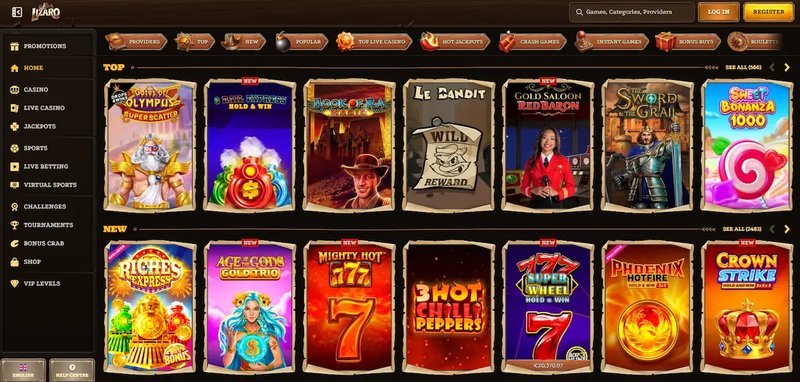
While exploring new ways to play, many gamers also dip into online casino platforms for quick entertainment breaks. If you’re curious about a reputable site that blends gaming with a touch of luck, Click here to see what’s available.
Step 5: Keep an Eye on Emerging Features
Cloud providers are rolling out “local multiplayer” modes that let two controllers connect to the same stream without extra latency. Additionally, edge‑computing nodes are being added in Manchester and Glasgow, shaving off up to 12 ms of round‑trip time for users in those regions.
Subscribe to the providers’ newsletters; they often announce beta features a month before public release. Early access can give you a competitive edge in titles that rely on split‑second reactions.
Conclusion
The rise of cloud gaming in the UK is not just a hype cycle; it’s a practical shift driven by faster broadband, competitive pricing, and hardware‑agnostic access. By confirming your internet meets the 15 Mbps baseline, selecting the service that aligns with your library, wiring your device, and monitoring data usage, you can enjoy console‑grade experiences without the upfront hardware cost. The technology will keep improving, and with each new edge node the latency gap closes further. Start small, track performance, and you’ll soon be streaming your favourite titles as smoothly as if the console sat on your coffee table.
Frequently Asked Questions
What bandwidth do I need for cloud gaming in the UK?
At least 15 Mbps download for 1080p/60fps, 25 Mbps for higher quality.
Which UK cloud gaming services offer low latency?
PlayStation Now, Xbox Cloud Gaming, and NVIDIA GeForce Now provide low‑latency options.
How can I reduce latency on my home network?
Use a wired Ethernet connection, enable QoS, and place the router close to the gaming device.